

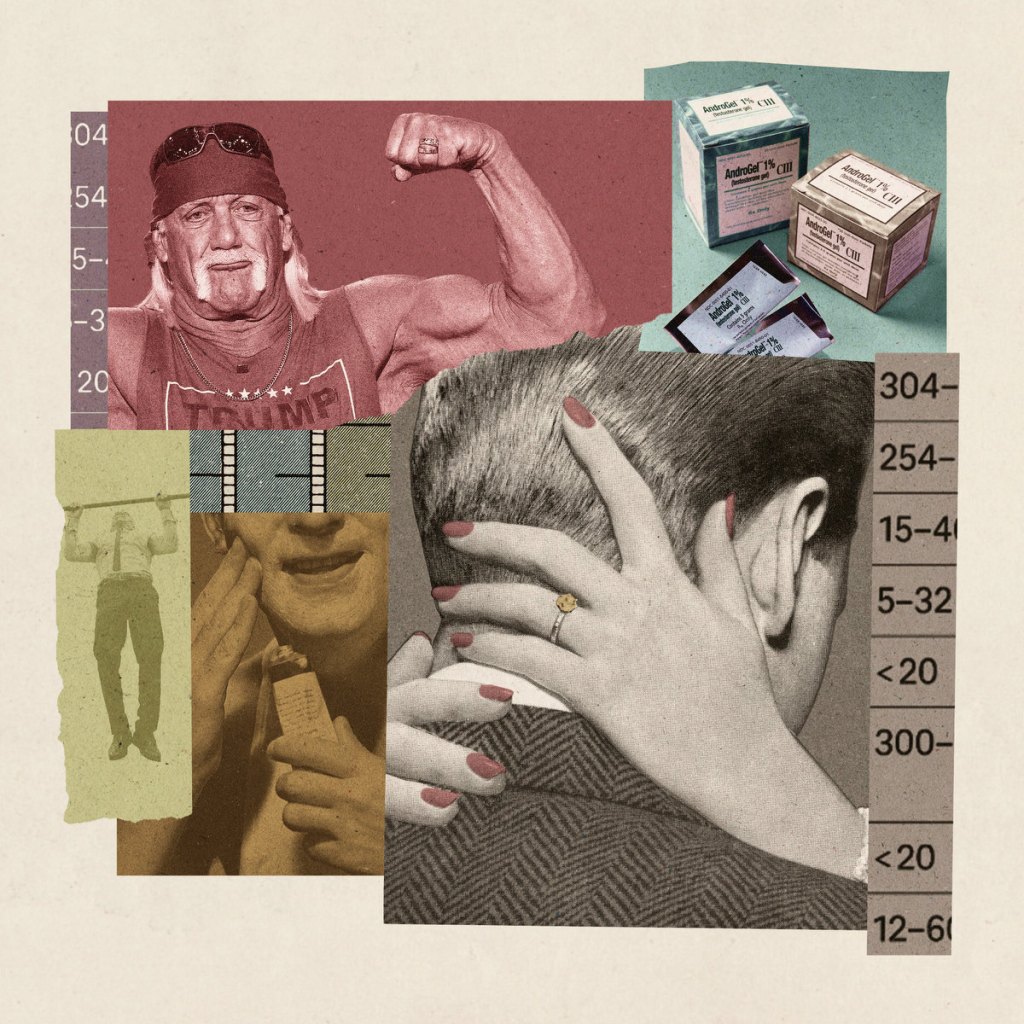
It’s a transformative moment for hormones. And kind of a weird one.
Dr. Heather Hirsch realized that she had to stop following politics as closely after the pandemic and 2020 election. It was hurting her mental health. Now, she tries to keep politics at arm’s length.
Politics came knocking anyway.
Hirsch is a board-certified internist, accredited menopause specialist and founder of the Menopause Clinic at Brigham and Women’s Hospital. Last summer, she was invited by the Food and Drug Administration (FDA) to join a panel on expanding hormone therapy treatment for menopause. The expert panel recommended that the FDA remove the restrictive black box safety warning for estrogen menopause treatment. On the day the agency took that step, she appeared on the FDA’s podcast with Marty Makary, then the head of the agency, to explain the importance of the move.
This was a transformative moment in her field, she told The 19th — and also an unexpected one.
“I’ve never seen anything like it in my career,” she said. “This is the first time I’ve actually seen the government be involved in a way that was very active — like, proactive.”
She tries to not think too much about the motivations behind it.
“It’s hard, because I don’t agree with everything the current administration does. But when there is something to celebrate, I want to be involved,” she said. “If I were to think too deeply about why — I guess I just kind of stop there.”
An evolving scientific consensus says more people in perimenopause and menopause should take hormones to manage their symptoms and help protect against bone loss. Under former FDA chief Makary, the government caught up to that consensus. But the Trump administration’s focus on hormones goes beyond menopause.
To some, it looks less like science and more like politics rooted in traditional beliefs about gender, experts say: that women should be ageless and primed for sex, while men should stay virile and strong as they get older — and that trans people just don’t exist.
They see it in Defense Secretary Pete Hegseth’s dream of a “high-T Department of War.” They see it when White House officials and President Donald Trump’s allies deride Democratic candidates as “low-T,” or low testosterone. They also see it in how the Trump administration has spoken about women’s roles in society — and how more estrogen can help.
What is a man, anyway?
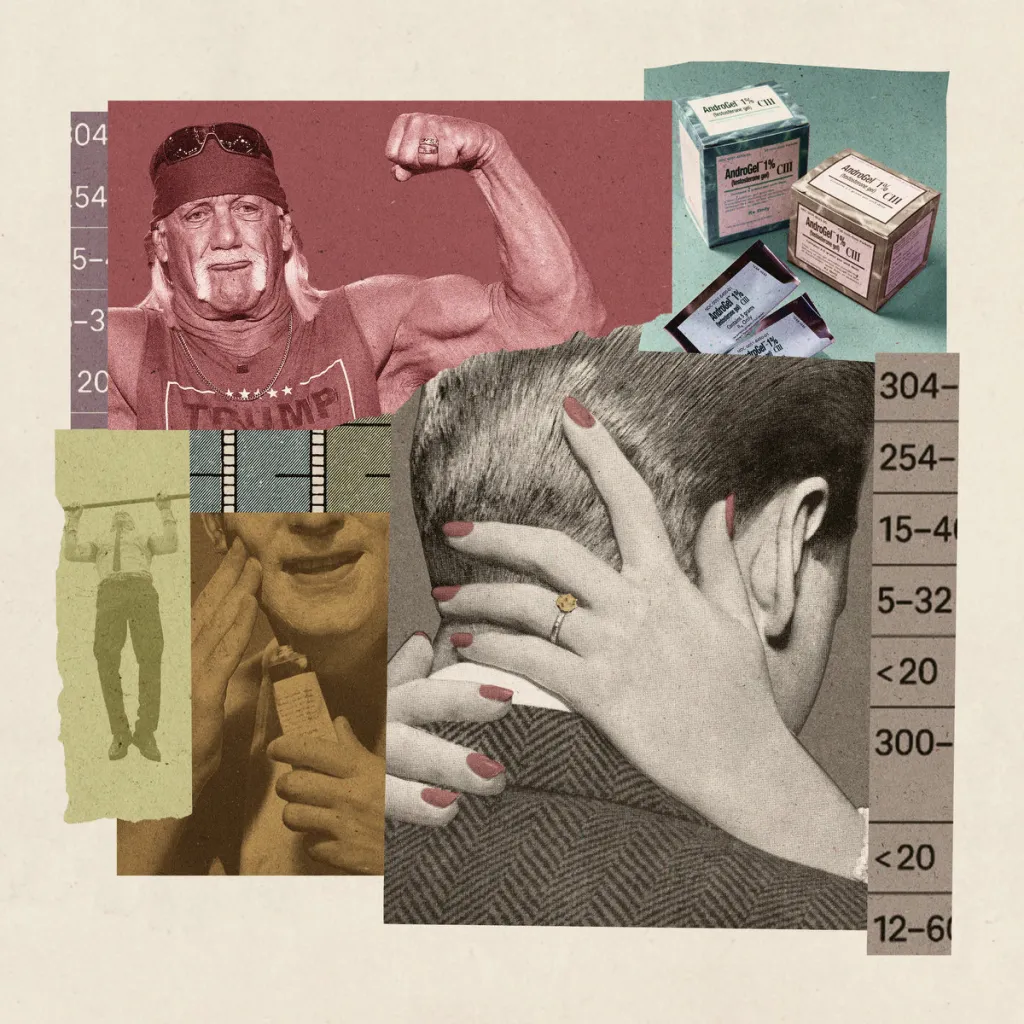
(Emily Scherer for The 19th)
Both estrogen and testosterone have been the subject of regulatory action in Trump’s second term. But the administration’s fixation goes far beyond new rules, particularly with testosterone.
In April, the FDA celebrated a new effort to increase men’s libido through testosterone replacement therapy. The agency wants companies to expand treatment to more cisgender men with “low T,” or low testosterone with no known cause — mainly, to improve men’s sexual health.
In June, as part of the administration’s effort to help men with low T access the hormone more easily, the Department of Health and Human Services said that warning labels about prostate cancer on testosterone prescriptions should be pared back. Doctors had mixed reactions. Since prostate cancer develops slowly, there could still be some risk, some believe.
They also want more men tested for low T, even though low energy, libido or mood doesn’t automatically mean that men need more testosterone. The Endocrine Society, the world’s largest professional group for hormone specialists, cautions that testing is often inaccurate and that little evidence supports mass screening for low T in men without symptoms. On top of that, men who want to have kids shouldn’t take the drug, which lowers sperm production.
But according to some Trump allies, low testosterone is not only a health crisis among American men; it’s a personal failing.
Sebastian Gorka, the White House counterterrorism adviser, declared opponents of the war with Iran to be “testicularly challenged” or “low-T.” On the campaign trail, Texas Attorney General Ken Paxton accused his opponent in the U.S. Senate race, Democratic state Rep. James Talarico, of being “too low-T for Texas.” That race has since devolved into AI-generated ads putting Talarico in a dress and putting his face on Rep. Alexandria Ocasio-Cortez’s body, plus a declaration from White House deputy chief of staff Stephen Miller that Talarico is transgender.
Most recently, Hegseth — who has opposed women in combat and blocked the promotion of women military officers — announced that the agency overseeing the country’s military will start annual testosterone screenings for service members who are 30 and older. The initiative, which will provide testosterone therapy to those who want it, is meant to keep soldiers on “the leading edge of lethality,” Hegseth said.
Managing testosterone levels is also a personal issue for some Trump officials. Brian Christine, the assistant secretary for health, told The New York Times that he has been on testosterone replacement therapy for 10 years.
Before taking office, HHS Secretary Robert F. Kennedy Jr. told podcaster Lex Friedman that his doctor put him on testosterone as part of an “anti-aging protocol.”
“But I don’t take any steroids. I don’t take any anabolic steroids or anything like that,” he added. “The TRT I use is bioidentical to what my body produced.”
This is the same testosterone that transgender men take. It is bioidentical to naturally produced testosterone and has the same effects: reduced fatigue, increased muscle mass and higher libido.
Dr. Alex Dworak, a family medicine doctor based in Omaha, Nebraska, regularly prescribes hormones to his patients and believes that more people should be able to access testosterone. But he sees significant hypocrisy in the Trump administration embracing testosterone for aging cisgender men while rejecting it for trans men.
“It’s exactly the same, same doses, exact same substance,” he said.
And not everyone is buying the need for cisgender men to supplement their own testosterone as they age.
“Low-T is invented by pharmaceutical companies,” said Dr. Adriane Fugh-Berman, a professor of pharmacology and physiology at Georgetown University Medical Center. Testosterone levels can fluctuate wildly, she said, even based on the time of day. There are no age-specific normal testosterone ranges; 80-year-olds can have as much testosterone as 20-year-olds and vice versa, she said.
Fugh-Berman generally opposes expanding access to hormone therapy and has been a paid expert witness in litigation on pharmaceutical marketing practices, including for testosterone.
“This is a drug that has harms and unclear benefits, like it’s very unclear whether it actually helps sexual function. It does seem to increase libido, but increasing libido in somebody with impaired sexual function … just seems frustrating,” she said.
Expanding access to testosterone for men’s libido is ultimately about defining manhood, said Alison Gash, professor and chair of political science at the University of Oregon, who studies gender and LGBTQ+ issues.
“If you are a desexualized man, then you’re deviating from the expectations that make you valued according to your gender, especially in this administration.”
The future is estrogen. And more sex?

For decades, fears of an increased risk of breast cancer kept doctors from prescribing estrogen to treat symptoms of perimenopause and menopause. Now, new data and new support from the FDA means more providers are willing to prescribe it to more patients to battle hot flashes, night sweats and other menopausal symptoms.
For many women, having a national spotlight on menopause has been a moment to celebrate. But while they’re glad that menopause doesn’t need to mean suffering in silence, some women who study gender for a living have mixed feelings about the Trump administration’s moves. They feel like it’s no accident that the administration is working to increase men’s sex drives while trying to get more women on estrogen.
“It’s not surprising that they’re also investing in hormone therapy for women,” Gash said. “It doesn’t do a whole lot of good to invest in hormones that make men more active sexual partners if their partners are totally and utterly disinterested.”
Makary, the former FDA chief, even said that hormone therapy — sometimes called hormone replacement therapy, or HRT — also prevents divorce.
“HRT has saved marriages, rescued women from depression, prevented children from going without a mother,” Makary said last November. “A male-dominated medical profession, let’s be honest, has minimized the symptoms of menopause.”
Treva B. Lindsey, a professor of women’s, gender and sexuality studies at Ohio State University, is at the early stages of perimenopause. She’s heartened to see so many public conversations about symptoms and treatment. Her mother went through menopause on her own, feeling shame and fear. Open conversations are needed.
But encouraging women to take estrogen and men to take testosterone while also keeping trans people from accessing hormones sends a narrow message about gender and sex, Lindsey said. This is about maintaining the status quo, she said, which depends on excluding trans people while bolstering norms of femininity and masculinity.
“It’s like, ‘Hey, get these things so you’re not as mean or emotional, or you won’t have these vaginal changes … because these men who are now getting treated for sexual health need you to be ready and willing to have sex with them,’” she said.
Official conversations about getting more women on estrogen aren’t focused on sex, though it does come up. Menopause symptoms can include painful sex, vaginal dryness and frequent urinary tract infections. Topical estrogen cream can help. Prior to the FDA’s intervention, even that localized treatment carried a severe black box warning, which kept women from accessing a highly safe and effective prevention.
At the FDA’s panel last year, experts brought up patients who stopped having sex because of the pain caused by menopause. As Dr. Gloria Bowles-Johnson put it last fall on the FDA’s podcast, which was taken off of YouTube after Makary left office, most menopausal women complain to their doctors about hot flashes and poor sleep, not their sexual health. But it’s still part living with menopause — and they want to talk about it.
They would just prefer if talking about the impact that menopause has on sexual health wasn’t centered on men.
Kelsy Burke, professor of sociology at the University of Nebraska-Lincoln, is troubled by Makary saying that hormone therapy will save marriages.
“Medical interventions in the service of keeping women as wives and mothers is not really about protecting women’s health, but men’s,” they said.
Makary’s interest in hormone therapy predates his entry into politics — he researched menopause for his 2024 book, “Blind Spots: When Medicine Gets It Wrong, and What It Means for Our Health.” His mother had been impacted by barriers to treatment, and he wanted to know more about research.
And now even with Makary gone, the FDA still sees expanding hormone therapy as a priority. The agency won’t answer any questions about it, but the FDA is still actively pursuing policies set in motion by the former chief. Those high-priority policies active in the Federal Register, or the logbook of the U.S. government, include addressing testosterone deficiency in men and conditions related to menopause for women. The agency also just scheduled a public meeting this month to discuss testosterone use for menopausal women.
Your hormones or mine?
Not everyone is included in this new frontier of hormones. The White House has made very clear that it believes that people cannot change their gender. The full power of the federal government is going toward stopping trans youth from accessing hormones or puberty blockers, and with those moves, transgender adults are also losing access to hormone therapy. When hormone therapy becomes gender-affirming care, which treats a medical condition known as gender dysphoria, the administration draws a red line.
Some experts trusted by the administration want to see the government expand hormone therapy access for transgender people — or at least support research into it.
Trans patients are potentially leading the way in understanding outcomes of hormone therapy, said Hirsch, founder of the Menopause Clinic at Brigham and Women’s Hospital. For example, trans women taking higher doses of estrogen than menopausal cis women are doing well, and doctors can learn from that.
“They’re both really demonstrating safety, efficacy, quality of life goals are being met, and yes, patients have side effects, so how do we monitor for those?” she said.
As the government pushes to expand hormone therapy access for cis men and women, it should do the same for trans people, Hirsch said.
“I think it would be a miss not to,” she said.
Dr. Barbara Levy, chief medical officer for Visana Health, who talked to Makary for his book, also joined the FDA’s panel on hormone treatments for menopause last summer at Makary’s invitation. She wants to see more research into hormone therapy for trans people. But bias in what gets funded is a challenge in this administration, she said. The National Institutes of Health canceled over $800 million in research grants related to LGBTQ+ health last year.
“I think what happens to trans people on long-term hormone therapy is a really important research question. Where would that get funded? I don’t know the answer to that,” she said.
