
Women are baring their souls to make the midterm elections feel personal
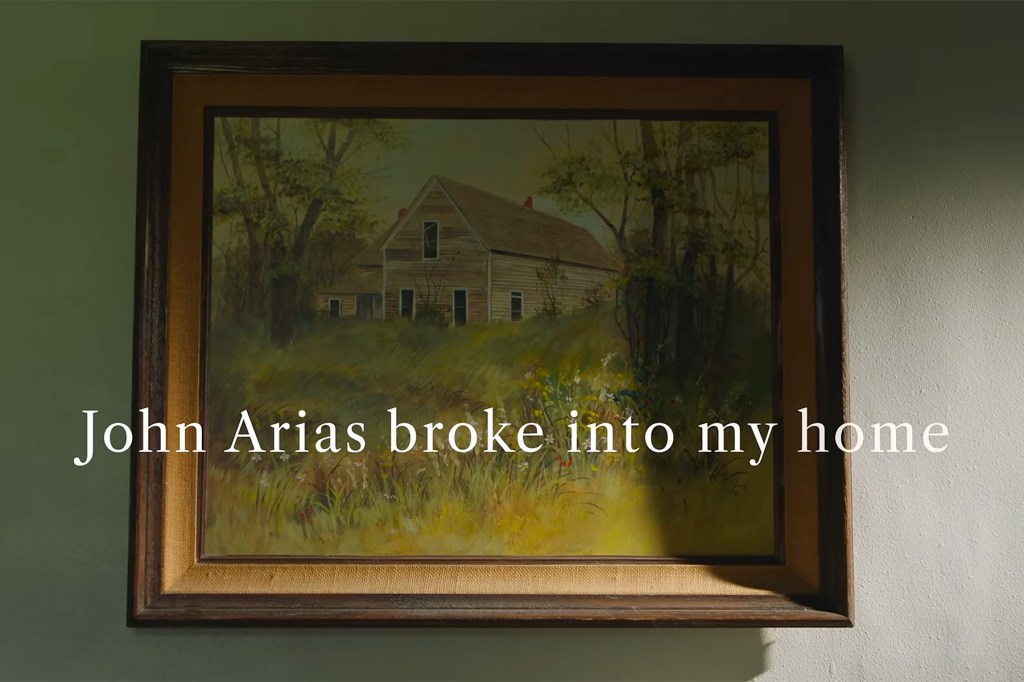
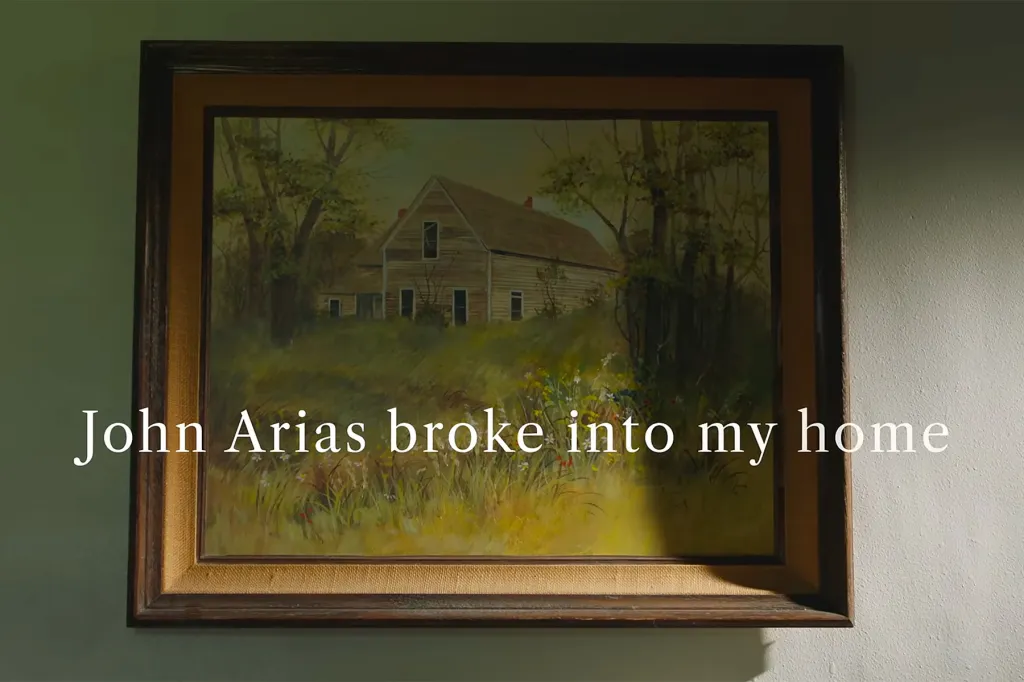
The ad opens with a shot of a quiet neighborhood street in western Nebraska, a bright red content warning about sexual assault splashed across the top of the frame. “I have a story to tell,” a woman’s voice states, “about our senator, Pete Ricketts.”
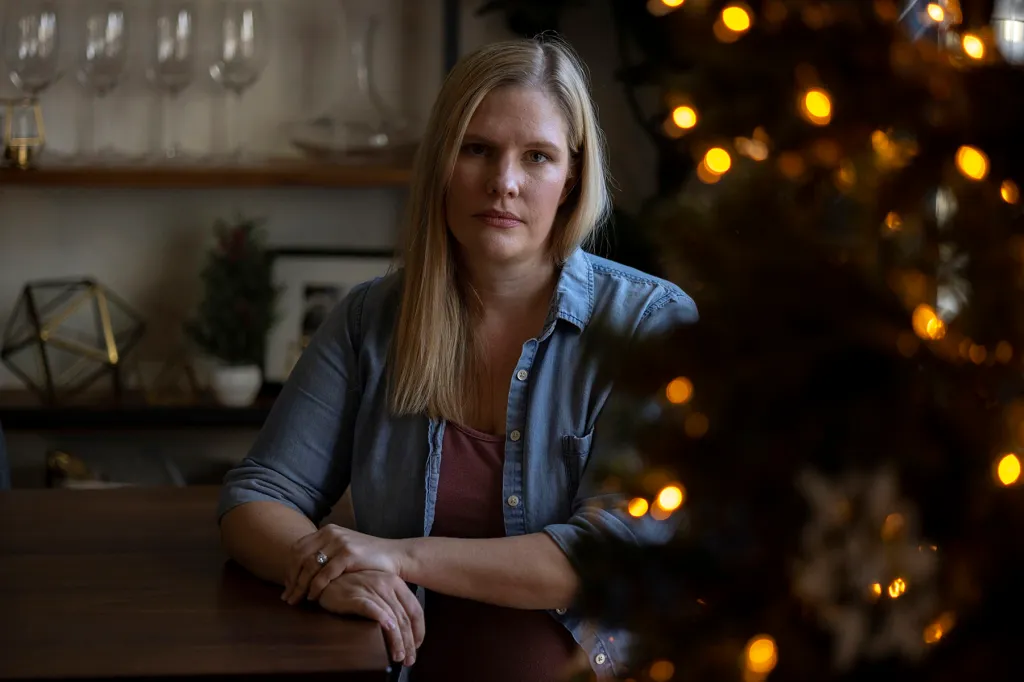
Jody Snogren goes on to describe what she told The 19th were some of the most traumatic moments of her life. In 1993, her ex-husband broke into her home and violently raped her, she said, a crime for which he pleaded guilty and served a prison sentence. Twenty-nine years later, Snogren learned he had been pardoned by a panel that Ricketts, then Nebraska’s governor, presided over. Ricketts cast the deciding vote.
Snogren was not contacted before the pardon was issued, she said. The pardon restored her abuser’s right to own a gun and removed his name from the sex offender registry, which had made it easier for her and for local law enforcement to know where he was living. Snogren decided that Ricketts, now a Republican senator running for reelection this fall, took the “easy way out” without concern for her safety.
She agreed to share her experience with Nebraska voters because she believes Ricketts’ decision to issue the pardon sent a message about the kind of politician he is. “I see it as not caring about the victim,” Snogren told The 19th. “And not taking the time to listen to the woman in the story.”
Snogren is one of several women who are connecting personal stories of trauma, abuse and hardship to candidates and political issues ahead of the midterm elections. It’s a well-trodden path for women, who often stand in as the most effective messengers on sensitive issues, particularly on behalf of candidates challenging Republicans.
In the 2018 midterms, at the height of the #MeToo movement, women shared stories of experiencing sexual misconduct. In 2022 and 2024, they spoke about the dangers they’d faced navigating their states’ abortion bans.
In an election cycle where voters record drastically low levels of trust in government and politicians, these women can stand in for candidates and use personal stories to engender trust and relatability. And for the women themselves, speaking out can feel like a way to channel their story toward a cause.
“I spent years living with what happened to me, and I realized that I could either allow that experience to be just something that happened, or I could use my voice to make sure it doesn’t happen to somebody else,” said Sharlene Rochard, who has been traveling the country alongside other survivors of Jeffrey Epstein’s alleged abuse.
The Donald J. Trump and Jeffrey Epstein Memorial Reading Room, a traveling exhibit and library, features the women’s stories and files from the Justice Department’s trove on the case. Organizers billed the tour as nonpartisan, but pegged it to the upcoming election with a launch in Dallas that coincided with Republicans’ midterm convention and a final stop near Trump’s Mar-a-Lago resort in West Palm Beach, Florida, on Election Day.
The women’s stories about a case that has become a political issue on its own have been an important fixture of the cycle. Though the tour is not affiliated with any one party, Democratic candidates like U.S. Senate nominee James Talarico and U.S. House nominee Shannon Taylor have publicized attending stops along the tour, which the reading room notes on its website.
“The bookmobile gives us a way to bring that conversation directly to the people across America,” Rochard said. “I want to bring humanity when people look at the files or even think of the files.”
The personal context, she said, has led to connections across the political spectrum. “People can disagree about politics, but they can understand that we as survivors deserve truth and accountability,” she said.
Connection with voters is what makes women such powerful messengers on thorny political issues.
“They make it very concrete,” said Tresa Undem, a public opinion researcher who has studied how storytelling affects voters’ opinions. “They make this hypothetical intellectual thing in your head real and emotional.”

Tippy Amundson, a Minnesota mom of three, said she has seen firsthand the power of connecting personal stories to elections.
Years ago, Amundson spoke about needing an abortion at 20 weeks due to health complications during her first pregnancy and went on to advocate against proposals to restrict abortion in Minnesota. In 2019, she brought her infant son to the state legislature to advocate against a 20-week abortion ban. In 2024, she spoke at a news conference for Kamala Harris’ presidential campaign in support of abortion rights beyond 20 weeks gestation. Sharing her experience provoked a new perspective on the issue for family members and voters she interacted with.
And last winter, the Trump administration’s immigration enforcement surge in Minneapolis prompted Amundson to work with a neighbor to monitor for U.S. immigration and Customs Enforcement presence while local children got off the school bus. While trying to disrupt an ICE operation at a nearby apartment complex, Amundson was detained. She shared her experience in a primary campaign video for Lt. Gov. Peggy Flanagan, who is running to represent the state in the U.S. Senate. Amundson said she wanted voters to see how the ICE surge in her community led a “standard edition Minnesota mom” to fear for her neighbors to the point of putting her safety on the line.
“I do think it’s important to share our stories,” Amundson told The 19th. “I do think it’s important to remind people that politics isn’t politics. That politics is real people’s lives, and our votes change people’s lives.”
The midterms will decide control of the U.S. House and Senate and a slew of downballot races. As polls show Trump’s approval rating may be at an all-time low, Democrats are expanding their ambitions to take control of Congress, pursuing Senate inroads even in traditionally conservative states like Nebraska and Kansas. The stories of women — who polling broadly suggests are more likely to vote for Democrats, and who can be mobilized by hearing from other women — are key to their strategy.
“People really want empathy — they think empathy is really missing. Not men so much, but women really want empathy. This shows empathy, relatability, and then the third thing that it shows is strength,” said Celinda Lake, a longtime Democratic pollster. “These stories often illustrate all of those traits in a way that people are comfortable with.”
Snogren said that while “politics is not my bag,” she decided to share her story publicly in an ad against Ricketts because she wants Nebraskans to have a different representative in the U.S. Senate. Ricketts is facing independent Dan Osborn in a race that polling has shown to be surprisingly competitive given the state’s conservative bent. The ad was paid for by the Nebraska Values PAC.
“I have on a couple of different occasions been contacted by people who said things like, ‘We understand this happened to you. Is this something you would be willing to talk about if it would help somebody else?’ And so that more than anything else is my goal,” Snogren said. “If you can take something horrible and even make one person’s life better because of it, then that’s gonna make what I’ve been through a little less hard to swallow.”
In Kansas, Democratic Senate candidate Adam Hamilton has made waves with an ad highlighting the story of Meischa Zimmerman, who, according to The New York Times, was sued by Republican incumbent Roger Marshall for medical debt incurred when giving birth and then arrested when she did not appear in court. Marshall’s campaign has issued a cease-and-desist order to try to block the ad from being aired.
Some Republican candidates have also made a splash through women’s stories. In an ad taped for former Rep. Mike Rogers, who is running for U.S. Senate in Michigan, Taylor Weintraub describes her sense of fear the day of an attack at a synagogue outside of Detroit where she said her son attends school. After the attack, Abdul El-Sayed, Rogers’ Democratic opponent, drew criticism for remarks that included the phrase “hurt people hurt people,” for which he has since apologized.
“I think of March 12 every single day,” Weintraub said in the ad, in which she said she would vote for Rogers.
Candidates aren’t just relying on women’s stories. In one ad from the campaign for Dr. Amy Acton, the Democratic candidate for governor in Ohio, a man whose wife has Alzheimer’s accuses Republican nominee Vivek Ramaswamy of “scamming people like me” by promoting an Alzheimer’s drug that ultimately did not work.
But the intimate stories of trauma and loss are largely being told by women. Part of that may stem from how different genders are socialized to share difficult experiences.
(Stephen Spillman/AP)
“My husband’s age is right around 40. He was not raised to talk about his emotions or be vulnerable — whereas as a woman, I was allowed to do that as a kid,” said Kaitlyn Kash, who spent the last election sharing her experience of being denied care in Texas due to the state’s abortion ban as part of Kamala Harris’ campaign.
Yet voters aren’t always ready to believe those stories, Kash said.
“There’s the people who immediately wrote my experience off because I was speaking for a politician, and that was the saddest thing about it,” she said. “I was like, I’m just a real person, who by the way has had my story vetted by every major news outlet.’”
Snogren said that after she decided to put her voice to her story, a crew arrived at her home for hours of recording. Over the years, she has worked to cope with the trauma of her abuse, but dwelling on what happened always takes a toll. When the taping wrapped and the crew left, “I was relieved it was over, and I was exhausted. You just feel really spent from having to rehash stuff that, on a normal day, you don’t want to talk about,” she said.
“But I don’t regret it in any way, shape, or form. No, no. This is important. This is an issue that has to be talked about.”