
After facing layoffs, Black women knew who to turn to for support: Black women
Soon after he began his second term, President Donald Trump signed multiple executive orders aimed at dismantling diversity, equity and inclusion (DEI) practices. Programs and roles in the federal workforce were eliminated. Fearing legal repercussions, private companies followed suit, reneging on diversity commitments.
Alongside that upheaval, the federal workforce was also greatly downsized after the so-called Department of Government Efficiency, led by Elon Musk, cut over 270,000 federal jobs, the largest peacetime workforce cut to date.
The job market underwent a seismic shift. Black women, who disproportionately held both DEI roles and federal jobs, were hit especially hard.
Between May and June in 2025, nearly 300,000 Black women left the workforce according to MS Now. By December, approximately 820,000, or 7.3 percent, of Black women were unemployed. As of July, 589,000 Black women remain unemployed according to the Bureau of Labor Statistics. In January, The 19th reported that Black women’s unemployment rate was equivalent to White women’s during the bleakest moments of the Great Recession in the early 2000s.
Amid this upheaval, many Black recent college graduates have reported challenges with landing their first roles in their respective fields.
The 19th spoke with four Black women who lost their jobs in the past year and have since landed new roles. Here’s what they, and experts, had to say to other Black women about utilizing professional networks, building new skills during unemployment and pushing past imposter syndrome to land their next roles.
These conversations have been edited for length and clarity.
Misconceptions about unemployment and outdated advice
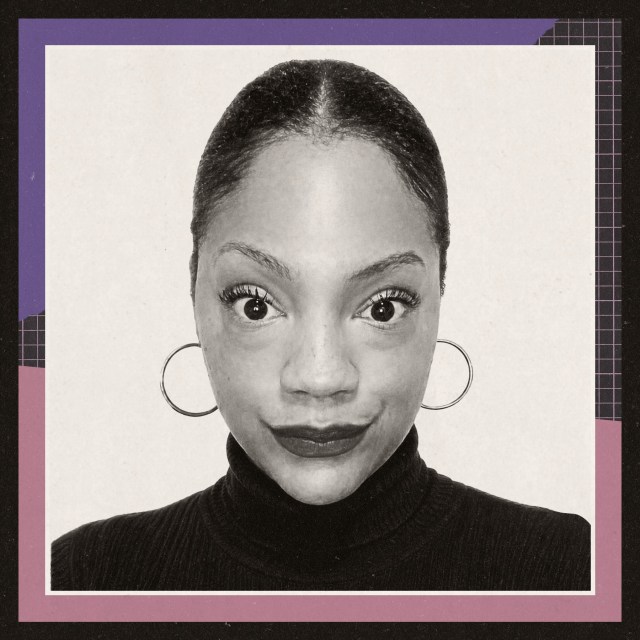
Tishayla Williams, 32, a veteran who was laid off in April 2025 from her work in social services with the Department of Veterans Affairs after only nine months, faced a lot of misunderstanding about the job market from older family members. She says many of them assumed that her hardships were merely the result of young people quitting their jobs and millennials “just wanting to have avocado toast.”
Tishayla Williams: As a millennial, a lot of older generations like my mom’s generation were like, ‘Oh, it’s just because y’all like to quit jobs.’ My family is pretty much like you go to school, you get a job working for the government and then you retire.
But the more I immersed myself and found myself explaining it to people, not just in my immediate life but online, I think people started to understand the gist of it’s not just young people. It’s everybody, unfortunately.
Last August, Tiffinie Julien, a 50-year-old disabled veteran, was laid off from the Department of Education, where she had worked since 2012.
A temporary halt to Trump’s plans to cut the Department of Education saved her position for a few months longer. This gave her hope that her position as a loan analyst with the Office of Federal Student Aid Office of the Ombudsman might be reinstated. She even turned down four state government jobs in Illinois because she was waiting to return to her role. Julien, who thought that she would be retiring from the federal workforce at 67, didn’t want to rebuild her career from the ground up.
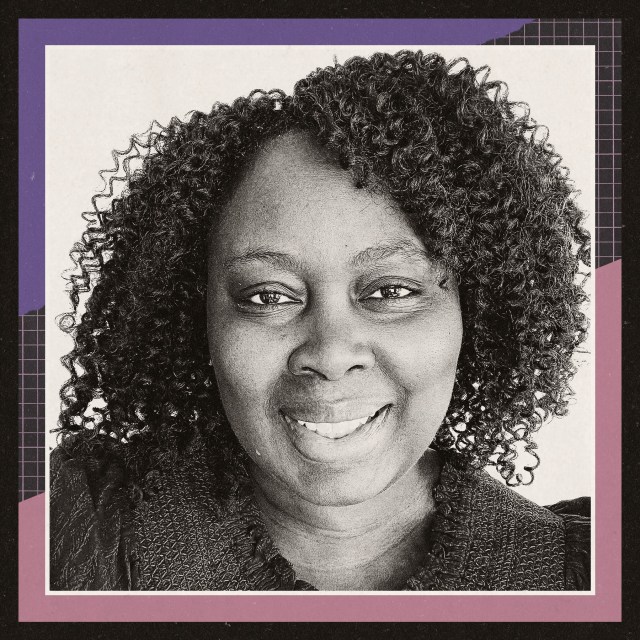
When the Supreme Court sided with the Trump administration, allowing the cuts to go through, Julien realized that retirement at the DOE was no longer a viable path. She struggled to look for jobs.
Tiffinie Julien: I went to so many job fairs. I had résumés printed out and not one employer ever even asked to see a résumé. They weren’t taking any résumés, in fact, so that was kind of out of date of what I thought, and there were no interviews happening. It was basically just people sitting at tables telling you about the company so it just seemed like a big waste of time.
Julien started a remote government contractor role in July working as a lead federal student aid regulatory analyst. She learned about the position from a former coworker who was also laid off and contacted by a recruiter. She was offered a state job, but after the agency didn’t approve her accommodation request, she had to seek other opportunities.
How negative workplace experiences can impact the job hunt
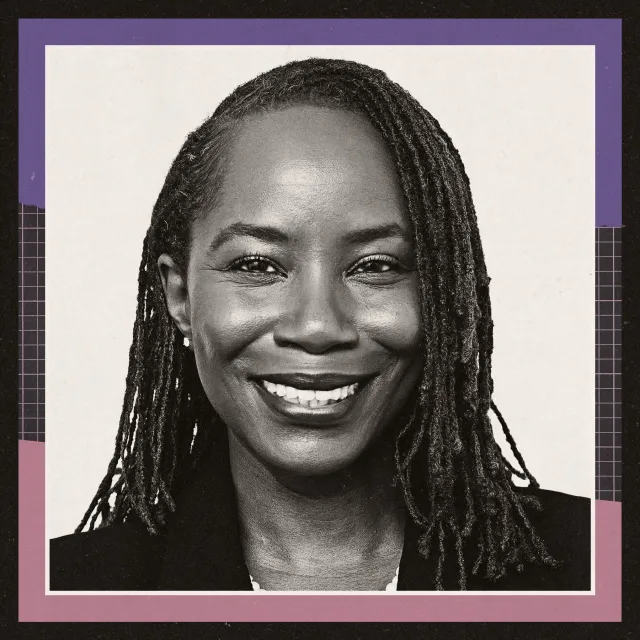
Ritha Pierre worked for a nonprofit organization that provides youth programs, senior care and affordable housing to residents in Brooklyn, New York, for four and a half years. She worked her way up to general counsel before parting ways with the company in July 2025. Although on paper it was considered a resignation, Pierre says the complexities of her senior-level role paired with a workplace culture that often isolated and vilified Black women made it feel like she was let go.
Over the years, she debated leaving several times. As the breadwinner of her family, she felt like she couldn’t. More than half of Black women are the breadwinners for households with children, yet have the largest gender pay gap among all racial demographics of women.
Ritha Pierre: [At work] I was physically manifesting issues. I was breaking out into these random rashes over my eyes and hands because of the stress that I was going through there, so it was initially a sigh of relief. But also then it was met with a lot of resentment and anger because I didn’t deserve this. So there were a lot of mixed emotions. There was relief, but then it was also mixed with, ‘How dare they?’
It was sobering for Pierre and Julien to know that they were part of a wave of Black women to lose their jobs. For Julien, it was particularly difficult to digest. She volunteered in hospice and took on an apprenticeship at a theater production doing hair and makeup. Eventually, though, her distress was unavoidable.
Tiffinie Julien: It’s difficult. I cry a lot. I have people in different industries who were also Black women that got laid off and you try not to think that it’s intentional, but we were all employed before long-term, and we’re all middle aged and have gotten laid off. Sometimes it feels like it could be intentional, but you want to think that it’s not.
Imposter syndrome is a phenomenon in which an individual doubts their capabilities or achievements out of fear of being a “fraud” or undeserving. After experiencing a layoff and the ebbs and flows of applying to roles and being met with rejections, that feeling can take hold. Career coach Lani Shaw, who has helped many women navigating their job hunt, wants Black women to write out a physical list of their achievements as a reminder that they have what it takes.
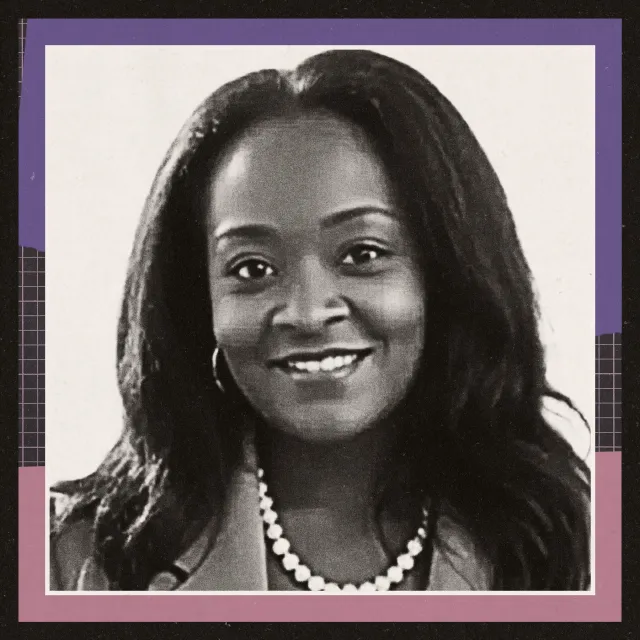
Lani Shaw: A lot of times when you’re thinking about having to enter a job market where you were not prepared to do that, some of that imposter syndrome comes up. Some of that, ‘Oh my gosh, I haven’t had an interview in five or 10 years.’ That can feel daunting.
I think if you are really in tune with what’s on your résumé and what you’ve done in your positions, the value that you’ve added, the impact and understanding the numbers that are represented on your résumé, whether it’s how many people you’ve trained, the budget that you might have oversaw, how large your team was, I think that will land well in an interview.
I would ask people to really think about all of the things that they’ve done throughout their career and document those wins so that they will have more stories to tell during an interview, because it really is an opportunity to relate to the job that you are applying for or interviewing for.
Show up the way that you are. Be authentic.”
Lani Shaw
Show up the way that you are. Be authentic. I’m a Black woman, so that’s not something that I can hide. It’s not something that I am going to try to downplay. I try to tell my clients it really is about being comfortable with who you are, being confident in what you bring to the table and connecting the dots for whoever you are sitting in front of.
Pierre was on the job hunt for about four months before landing her current general counsel role at the racial justice organization Race Forward. Although she took a pay cut of about $100,000, she knew that her peace of mind was more valuable.
Ritha Pierre: I was looking for and I needed to get a job, because I had a son who was 18 at the time, who’s in college, so I had bills and college tuition to pay. But I also had to think about my mental health and my physical health, and this one was a fully remote job.
I feel like my nervous system was just so overloaded by these back-to-back toxic jobs. Unfortunately, that’s a Black woman’s experience. I knew it was going to be a financial strain, but I can say that with prayer and proper budgeting, I have not felt like I was about to be homeless.
Networking
Pierre found her new role through a woman of color in her network. Leveraging relationships is crucial for Black women looking for jobs.
For Kenyatta Victoria, a culture and entertainment journalist, her network was crucial when she was laid off from what she called her “dream job” as a lead writer at Essence magazine in August 2024.
After organizational restructuring and funding led to her and five other writers being let go, she turned to her network for support.
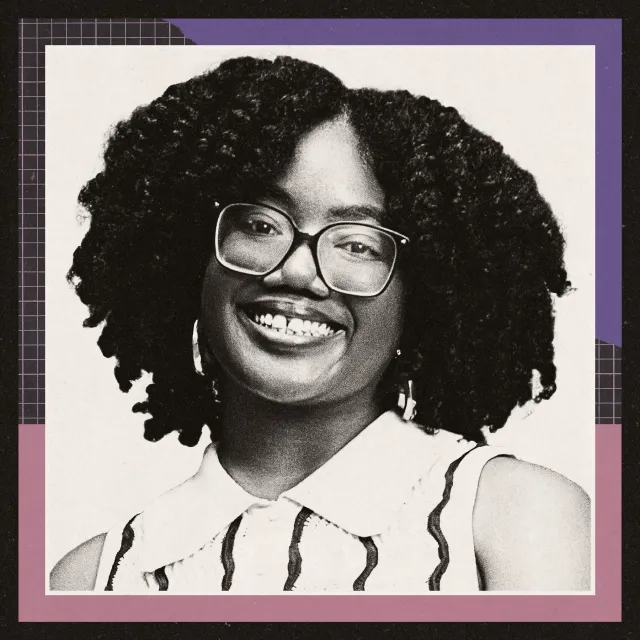
Kenyatta Victoria: I reached out to a lot of my old professors and talked to them about what I should do and how they can help. I was sent a lot of jobs, but I will say, any connection or next steps that I was able to do came from other Black women.
Benét Wilson, who is the director of training at the Investigative Reporters and Editors organization, is known affectionately among journalists as Aunt Benét. She has spent her career building a reputation not only as a reporter, but a mentor and resource for early career journalists. She encourages current and recent college students to keep in touch with professors, campus mentors or sponsors, since building a network when you’re newer in the field can be a little more difficult.
Benét Wilson: If you’re still in school, you need to do those internships. As part of doing those internships, you need to build your network. Anytime you meet people, you get their cards and you stay in touch.
The last time that I actually applied for a job was in 1992, which was my first job as an aviation journalist. Every job that I have gotten after that has been because of my network. You live and die by your network.
You live and die by your network.”
Benét Wilson
After eight months of job hunting, Victoria landed her current role as assistant editor at EBONY Media in part because of the Black women in her network.
Kenyatta Victoria: The people who have really, really helped me have been other Black women within my network, my friends and my peers who are also in this industry. I had a lot of people sending me jobs, tagging me into jobs [on LinkedIn], which was very reassuring to know that people were thinking about me.
Shaw, who encourages people to network both in-person and online, often encounters clients who are intimidated by the concept of networking. She demystifies the experience by likening it to meeting and building community with people in any other setting.
Shaw advises people to start with small goals such as reaching out to three people in a week. She says that shame or pride often keeps people from reaching out. But she encourages Black women to push past that discomfort, because the ways that you could land your next role are infinite.
Lani Shaw: We all have relationships. Now, we’re just being strategic about how we navigate those relationships and make them hopefully fit in a career context.
If you have a friend from high school that is a marketing manager and you want to pivot into a marketing field, you reach out to that individual and have a conversation with them. If you have connections that are on LinkedIn and they do something that sounds exciting, you send them a message and ask to have a 15 minute virtual coffee break. It’s what we would normally do in any setting where we want to get to know someone.
AI and technological changes to job hunting
Although some people are wary of using artificial intelligence, many industries have already embraced it. Thousands of companies use tech platforms like Workday and Eightfold AI to filter job applications. Both companies have faced multiple lawsuits for faulty screening tools that sometimes reject applicants almost immediately. Despite its drawbacks, many job hunters are still looking to integrate it in their searches in a way that works for them.
Lani Shaw: Definitely don’t be afraid of AI. I think anybody in or outside of the market needs to understand how it works. To the extent that you can utilize that in your job search, the better off you will be. As we’re thinking about the various software that picks up the keywords and we’re thinking about HR only scanning the application for 55 seconds or three seconds, you’ve got to utilize an AI system more than likely to make sure that you’re hitting the key points that need to be hit.
But you have to always be honest. I always tell folks don’t be afraid to use AI in your process, but check it. You can’t just let it spit out something and that be the end of it.
One of the ways to get past automatic screenouts is by tailoring your résumé, which can be challenging for someone who hasn’t been on the job hunt in a while.
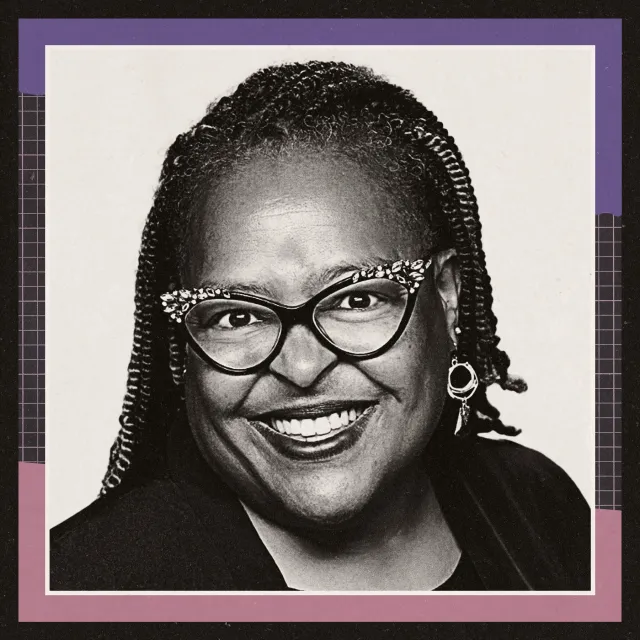
Benét Wilson: You have to craft your résumé for each job that you apply for. I always tell people to just create a master résumé and throw everything that you’ve ever done in that resume. My master résumé is 12 pages long. Nobody’s ever going to see that résumé.
You look at the job and what they’re asking for, and you look at those keywords and craft your résumé to what is being asked. You want to be able to get past the automated tracking systems that most companies are using now. I’ve seen so many résumés that are so generic. They could be applying for a job as a reporter or they could be applying for an assistant manager in retail.
Throughout Wilson’s career she has been laid off four times — the first being in 1993 and the most recent being in 2025. She credits her ability to adapt to new systems, including AI, and continuing education for how she has been able to thrive in the journalism field.
Benét Wilson: AI isn’t going anywhere. I started on a typewriter. Then the computers came and they’re like, ‘Oh, the computers are going to steal our jobs.’ Then the internet came and then social media came, and now it’s AI. There’s always something coming, and there were always naysayers that waited too long to jump in and learn that skill.
The power in pivoting
Williams applied to only one job when she was laid off last April — the role was for a different department with the veterans agency. After she didn’t hear back, she decided that she didn’t have to follow the conventional path to employment. She went on to found The TW Collective, a consultancy firm that helps “Black women professionals and Black women owned businesses build the structure, policy, and clarity needed to operate equitably and sustainably.”
Tishayla Williams: I was really depressed for maybe about two weeks, and I just came to this moment where it’s my issue, but it’s not just me dealing with it. When you don’t have a job you scroll on social media, and that’s when I started being bombarded with all of these Black women’s stories.
I had a little bit of savings that I had for my emergency fund, and I’m really passionate about Black women’s workplace rights, because unfortunately I’ve had to sue a place of employment for sexual assault and sexual harassment. So all of these things that I kept seeing Black women talk about on TikTok, I’ve dealt with that myself.
How do we make this a job? I started peeking around and was like, ‘Why don’t I just become a consultant and talk about it? Maybe I can loan my expertise and my own experience.’
Like Williams, Victoria knew that she couldn’t stay in what she calls the “unemployment loop” of just getting up, opening her laptop and applying for jobs every day. Continuing to foster her love of writing, whether it brought in income or not, was crucial to keeping her spirits up.
Her Substack Chronically Online, which allowed her to continue writing about pop culture and trending news while in between roles, has amassed over 600 subscribers.
Kenyatta Victoria: My routine from September to October was very thrown off. My newsletter launched in November, and so that really helped me get some sort of structure. Because even though I wasn’t getting paid to do my Substack, I felt like this is some sort of routine. I’m still able to write what I want to write, and I’m doing it on my own schedule. That was very helpful for me at the time, because I was feeling really down.
General advice to Black women who are job hunting
Tishayla Williams: Don’t be afraid to do something and try new things — because you might find out that the industry that you’ve been working in for 20 years is not one you’re even passionate about. Don’t be afraid to take something that might not fit what you want to do right now, because we all are people and you have to pay bills, but sometimes it looks like doing something that you never thought you would be doing.
Tiffinie Julien: We still have our municipal government, our county government, our state government. There’s still lots of opportunity in local government. I don’t know what the future holds for the federal government, but I do know that this won’t last forever.
Ritha Pierre: You got to where you got because of your grit, your resilience, your work ethic and your brilliance. A lot of times when we face unemployment it makes us second-guess whether or not we’re good enough or worthy. We think something’s wrong with us, and it really puts you in a deep, dark space. I just want people to know that unemployment or being managed out, that’s not indicative of who you are. A lot of times, it has nothing to even do with the good work that you did. It could be because of your skin color. It could be because of the fact that you’re doing your job too well. Whatever those reasons are, don’t internalize it. I think a lot of times we internalize these as a failure on our part, as opposed to seeing that it’s the system.
You got to where you got because of your grit, your resilience, your work ethic and your brilliance.”
Ritha Pierre
Kenyatta Victoria: Be really present and very transparent with the people around you. I think it can get very easy to try and be like, ‘Oh no, I’m fine,’ or try and battle this by yourself. You can get caught up. You might not be able to do everything that you want to do or that you can do, but still give yourself something to look forward to or else you’re just gonna be in your room just lost in your thoughts.
Benét Wilson: I always tell all of the mentees and women that I deal with to carry yourself with the confidence of a mediocre White man. Let’s say there’s a job and it’s asking for 10 qualifications. The mediocre White guy will have one, two, and if it’s a good day, maybe three of the 10. Women in general, and women of color in particular, will look at it and have eight of the 10, but won’t apply because they don’t have 10. No, no, no. Having that confidence of a mediocre White man has been very helpful to me. I even have a name. My mediocre White guy’s name is Chad.
Lani Shaw: Continue to bet on yourself and really just try to endure to the end. I know that the job market is stubborn and that it’s taking folks a long time to get positions and people are really, really frustrated. But figure out what you can do differently to shake it up. I think that will make a difference. I just pray that folks will continue to be encouraged.