
Civil rights activist Claudette Colvin dies at 86
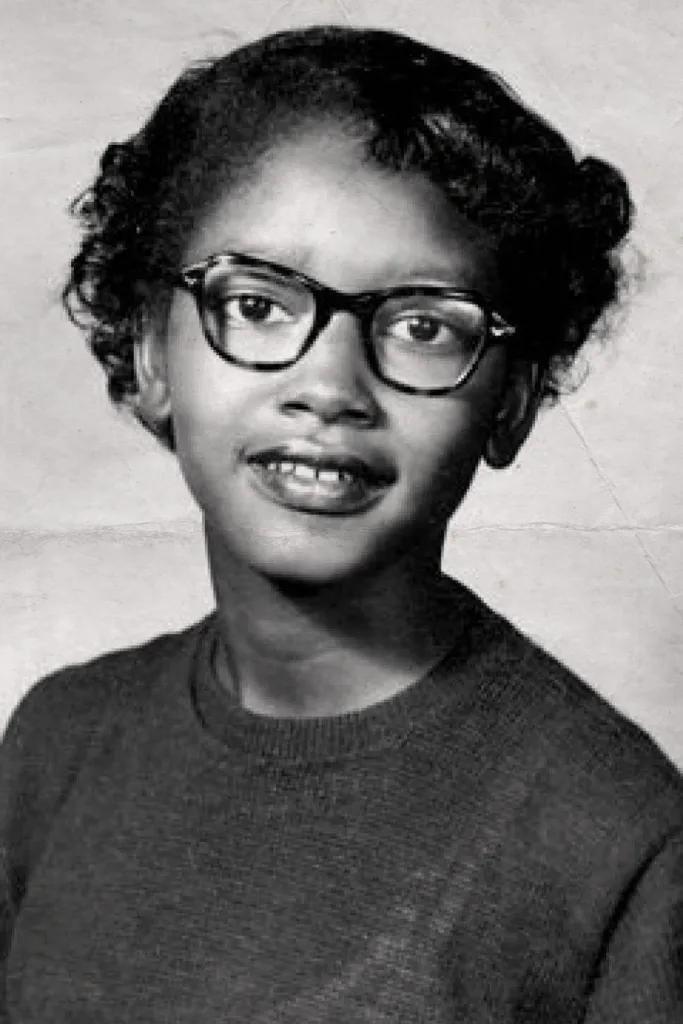
African-American activist Claudette Colvin, whose arrest for refusing to give up seat on a segregated bus preceded Rosa Parks’ more famous stance, has died. She was 86.
On March 2, 1955, as she headed home from school in downtown Montgomery, Alabama, 15-year-old Colvin and her friends boarded a bus and sat in seats behind the first five rows, which were reserved for White passengers.
Shortly after, a White woman saw that the first five rows were full and asked Colvin and her friends to move toward the back of the bus.
While her friends obliged, Colvin did not.
As a result, Colvin was arrested for refusing to give up her seat to the White woman.
Although Parks became the face of the bus boycott on December 1, 1955, Colvin was the first Black person to be arrested for challenging the city’s bus segregation laws.

“I could not move because history had me glued to the seat,” she later said about her pivotal moment in Black history. “It felt like Sojourner Truth’s hands were pushing me down on one shoulder and Harriet Tubman’s hands were pushing me down on another shoulder.”
Colvin told news outlets that the leaders of the Civil Rights Movement decided she couldn’t be the face of the boycott for many reasons, including her age, darker skin color, class status and pregnancy a few months following her arrest.
Colvin was one of five plaintiffs, along with Aurelia Browder, Susie McDonald, Jeanetta Reese and Mary Louise Smith in Browder v. Gayle, the class-action lawsuit that eventually overturned segregated buses in Alabama.
The Claudette Colvin Legacy Foundation, which supported her work in life and dedicated resources to youth and young adults, confirmed her death. “To us, she was more than a historical figure,” the organization said in a statement. “She was the heart of our family, wise, resilient, and grounded in faith. We will remember her laughter, her sharp wit, and her unwavering belief in justice and human dignity.”
Despite her courage during the beginning of the Civil Rights Movement, previously, Colvin’s activism was largely forgotten.
Her petition to have her 1955 arrest expunged, filed in 2021, was granted that same year by Judge Calvin L. Williams, who spoke to The New York Times about the significance of her case.
“It’s somewhat of a full circle, historically, that an African American judge such as myself can sit in judgment of a request such as this to give Ms. Claudette Colvin really the justice that she so long deserved.”
Lauren Nutall contributed reporting.